
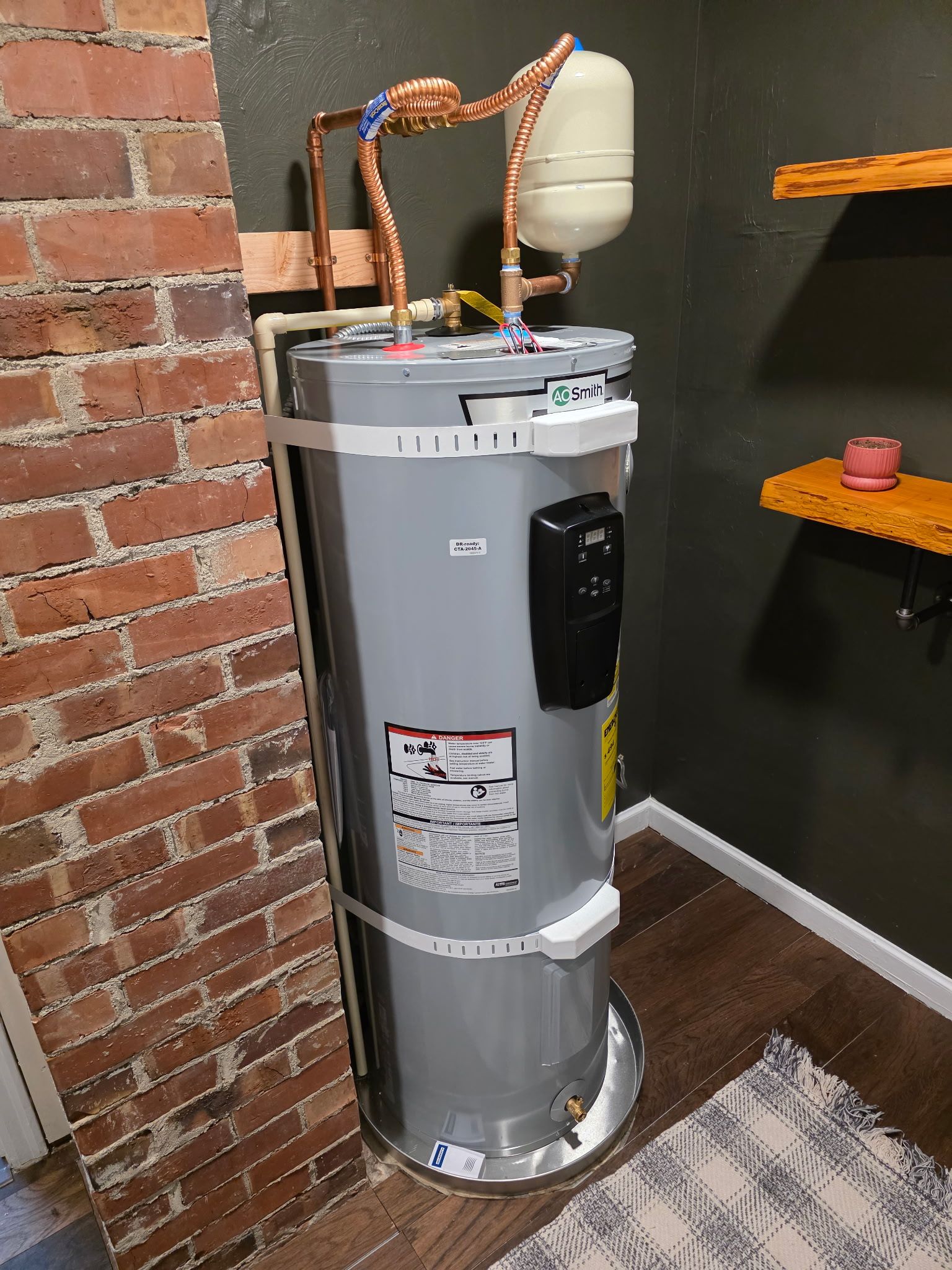
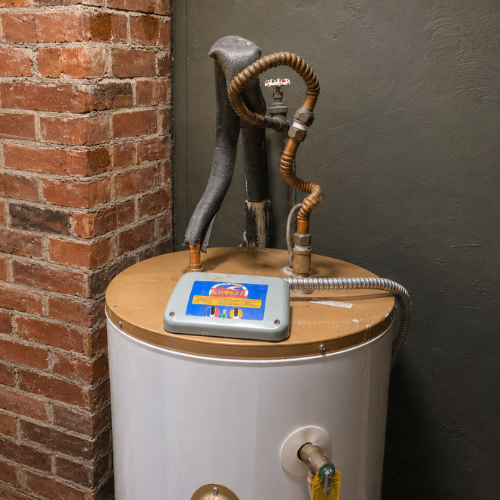
Electrolysis from galvanized-to-copper pipe connections is a common cause of early water heater failure in older Kitsap County homes. Here's how to prevent it.
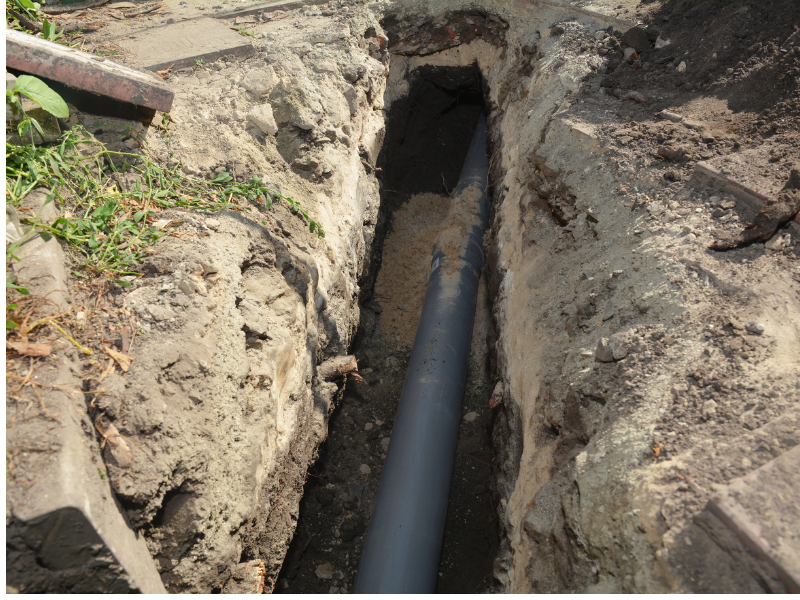
What Damages Sewer Lines in Kitsap County Owner Corey Duke sees two causes come up again and again across Kitsap County. "Plants next to sewer lines, with the root systems growing into the lines," he says, describing the most common issue. "I also see people driving over the lines and damaging them." Root intrusion happens gradually. A tree or large shrub planted near a waste line will eventually send roots toward the pipe, drawn by the moisture and nutrients inside. Over months or years, those roots can crack joints or work their way into the line itself. Driving over a sewer line, whether it's a car parked in the wrong spot or a truck pulling into a driveway, causes damage more suddenly, by putting weight on pipe that was never designed to bear it. How We Actually Diagnose the Problem You can't see a sewer line, so guessing isn't an option. "Usually, there is a clogged line," Corey says. "I run a camera through the waste line." A camera inspection shows exactly where a blockage, crack, or root intrusion is located, which determines whether the fix is a simple repair or something more involved. Repair Doesn't Always Mean Replacement Not every sewer line problem requires digging up the yard. Corey points to a common and much simpler fix: pipe that was never properly supported in the first place. "If a pipe is incorrectly hung or incorrectly strapped in a crawl space, that can be corrected by adding hangers at the proper spacing," he says. Pipe that sags between supports collects standing water instead of draining properly, which creates many of the same symptoms as a more serious blockage. Why Waiting Is the Costliest Mistake Sewer problems rarely resolve on their own, and delaying a repair carries real health risks, not just a bigger bill. "If the problem is in the crawl space, it can damage the home and create a place for harmful bacteria," Corey says. "The same thing can happen in the yard. People may be playing in sewer water and can get very sick." That's the detail worth remembering: a soggy patch in the yard isn't just a landscaping nuisance. If it's sewage surfacing from a damaged line, it's a place where kids and pets can be directly exposed to harmful bacteria. Frequently Asked Questions What are the first signs of a sewer line problem? Puddles in the yard that don't dry up, foul odors inside or outside the home, and unusually lush plant growth along the path of the waste line are typically the earliest visible signs. How do plumbers find out where a sewer line is damaged? A camera run through the waste line shows the exact location and type of damage, which determines whether the fix is a targeted repair or a full replacement. Can a damaged sewer line be repaired instead of replaced? In some cases, yes. If a pipe in a crawl space simply wasn't hung or strapped correctly, adding proper hangers can resolve the issue without replacing the line. If you're noticing wet spots in the yard, slow drains, or odors that won't go away, don't wait for the problem to get worse. Schedule a sewer inspection with Bear Creek Plumbing.